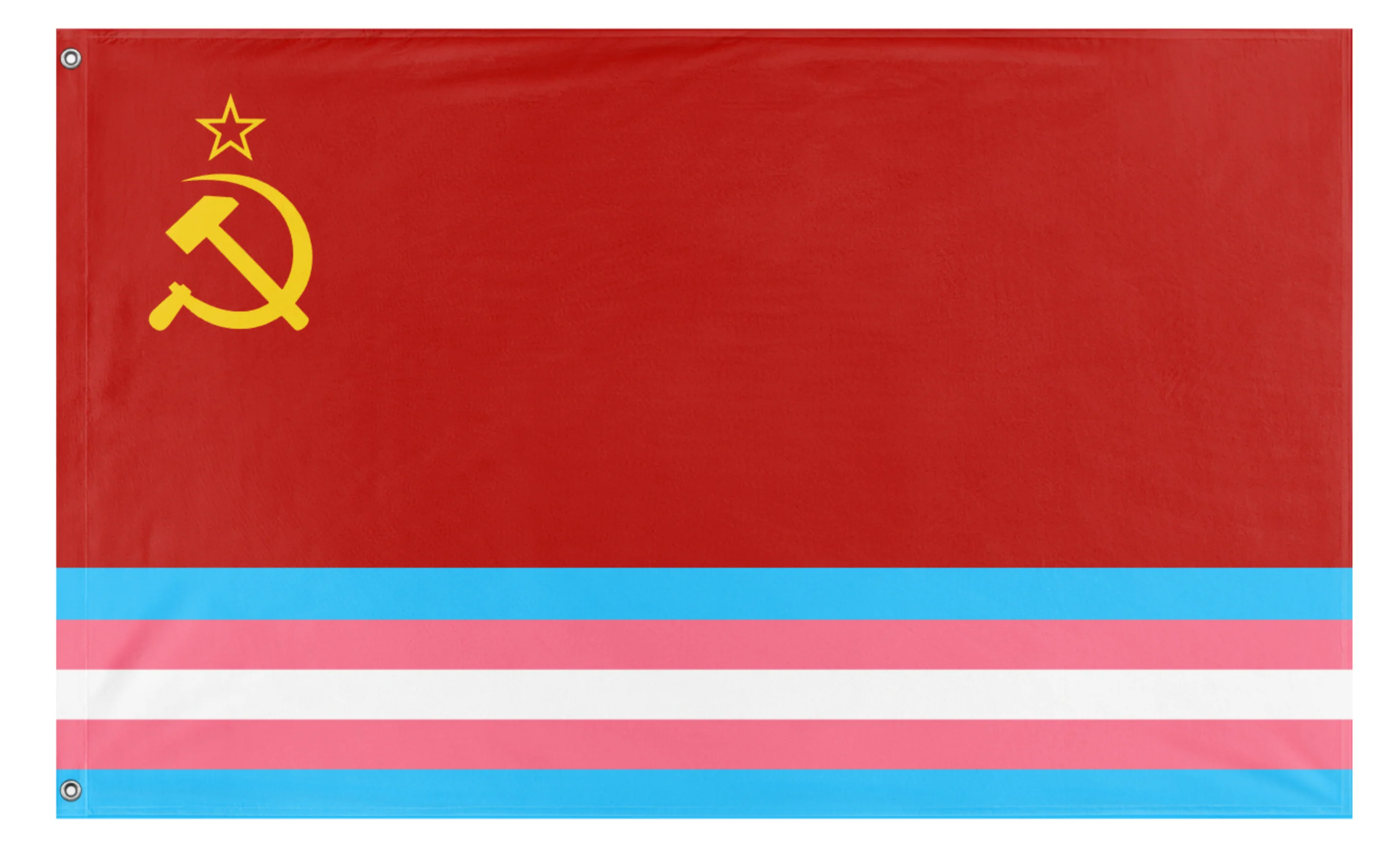
Flag of the Transcaucasian SFSR (Russian History)
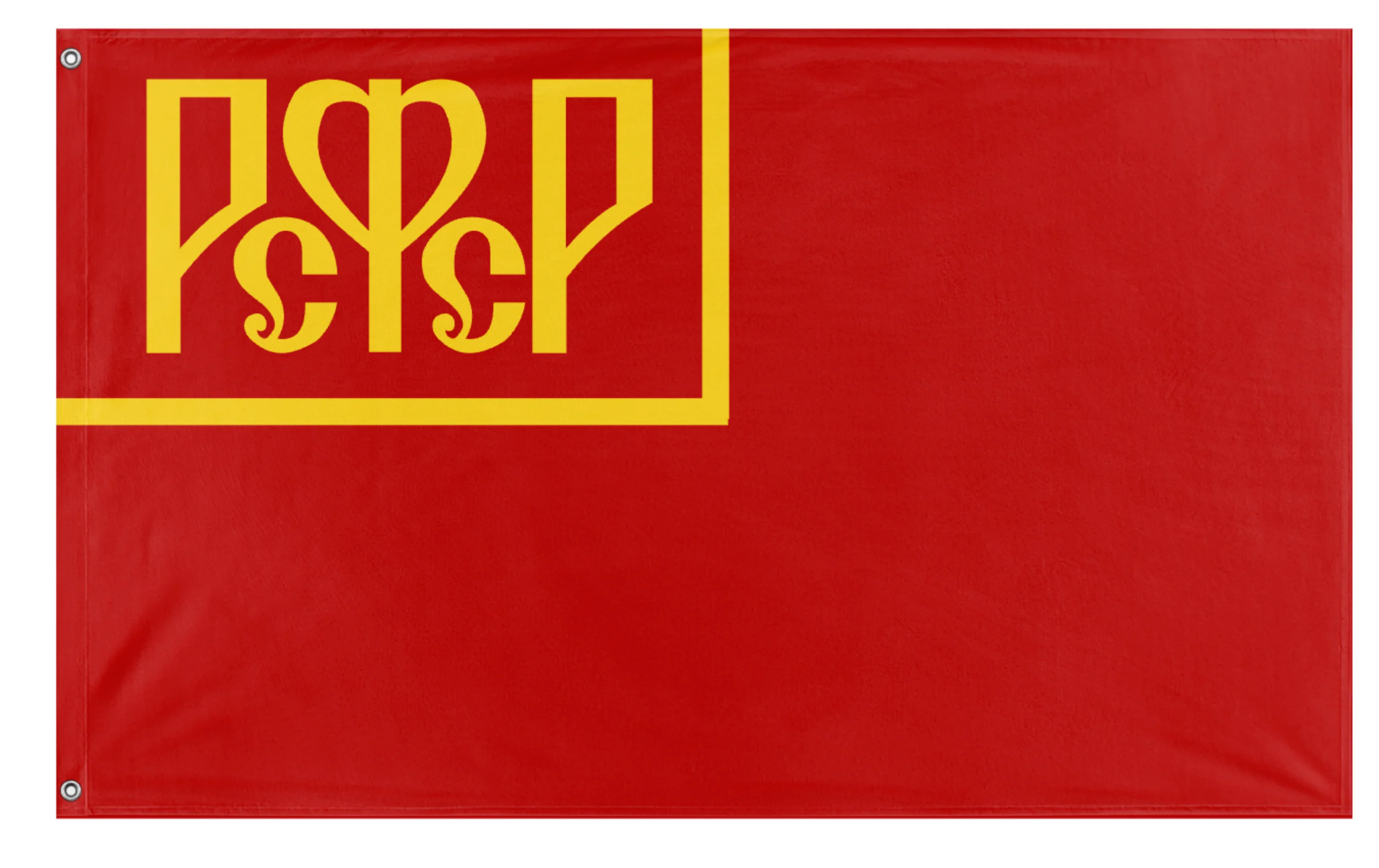
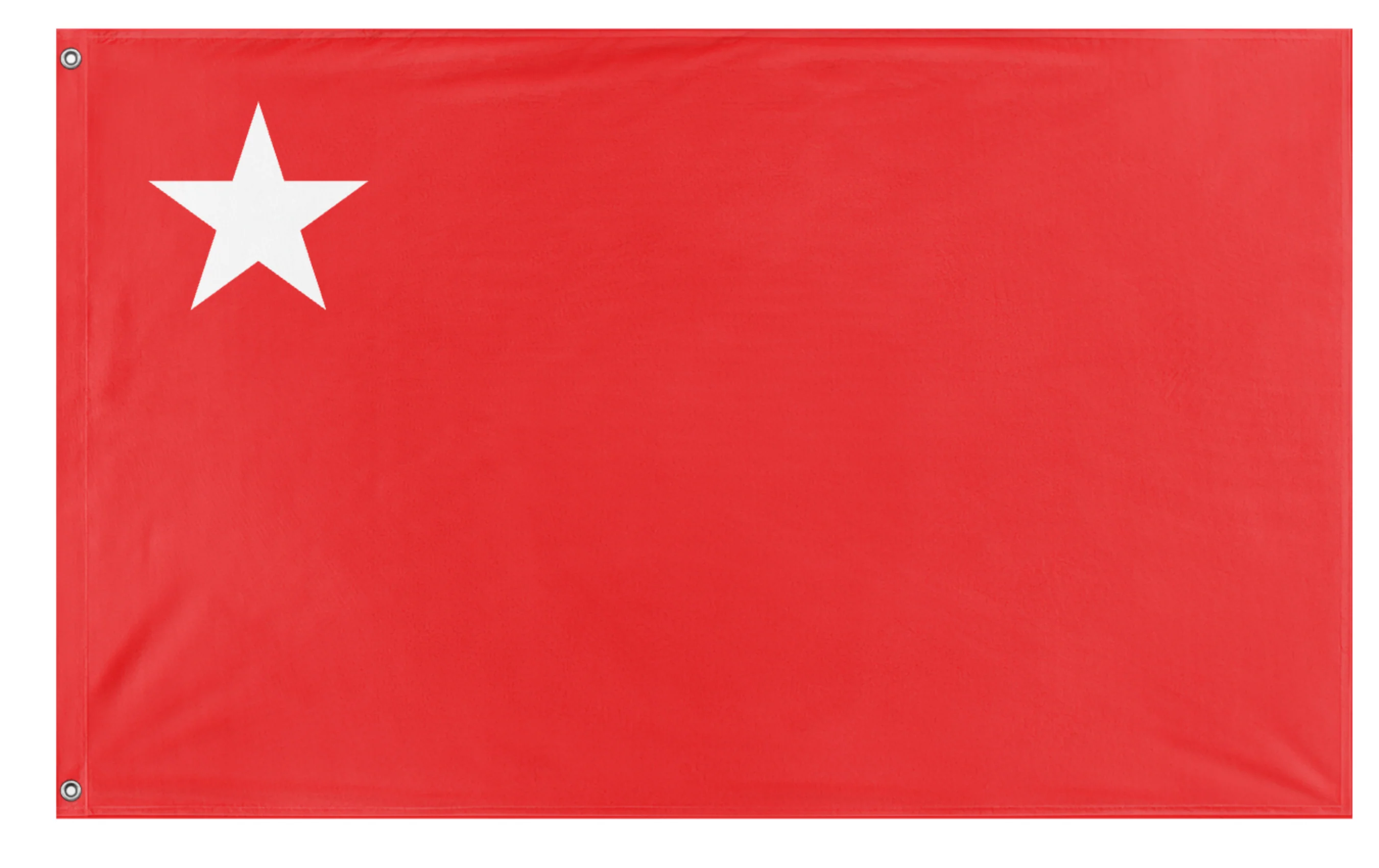
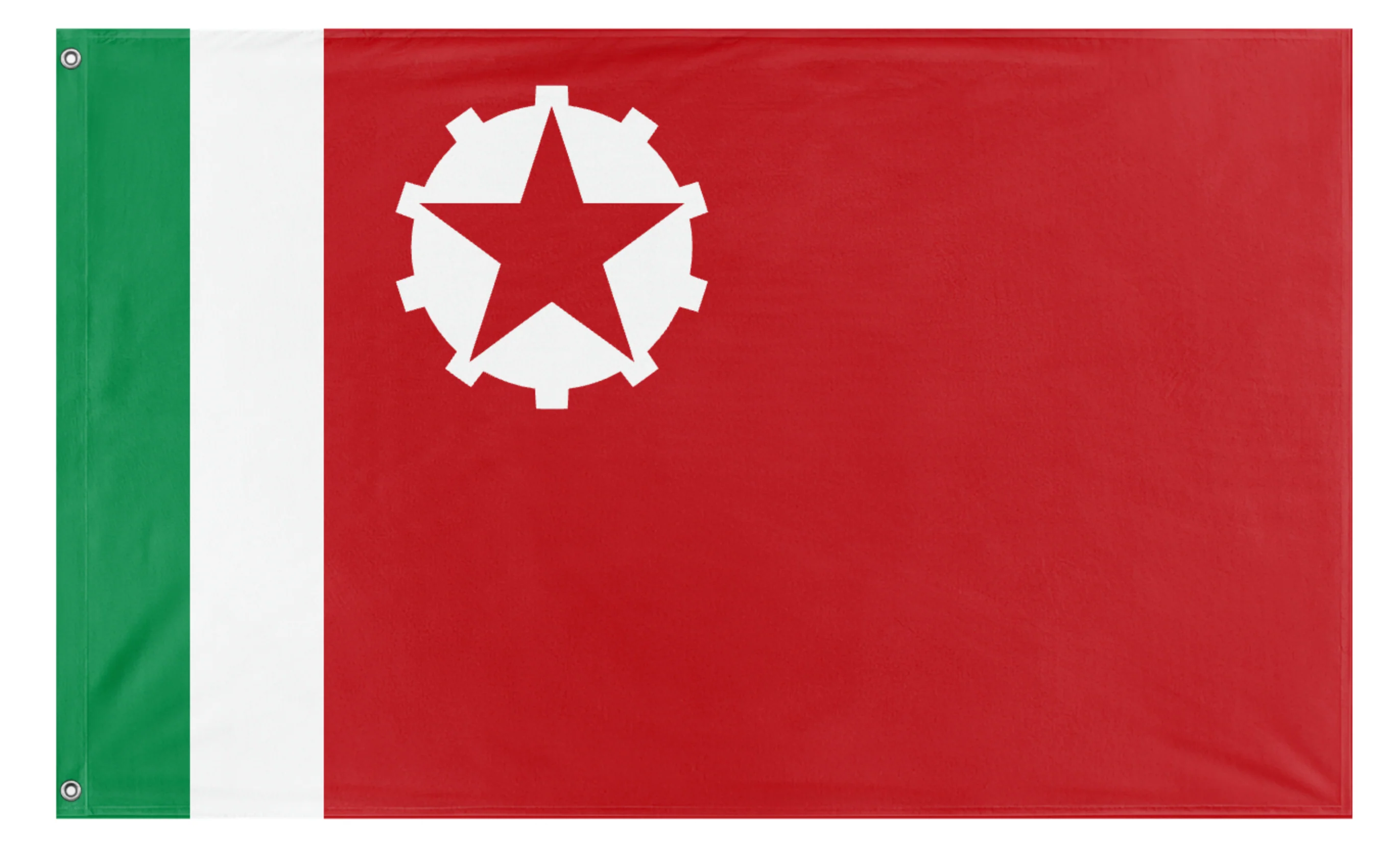
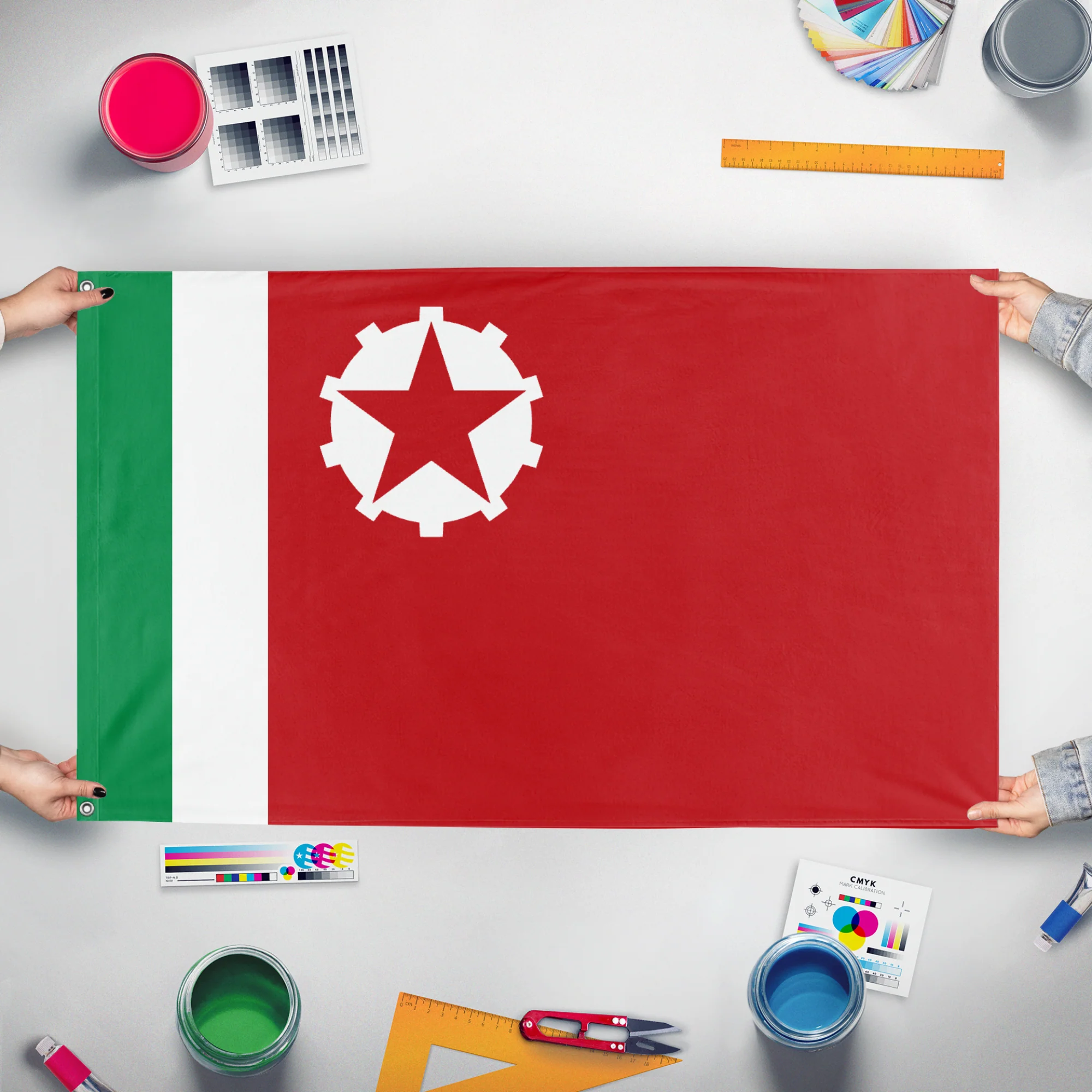
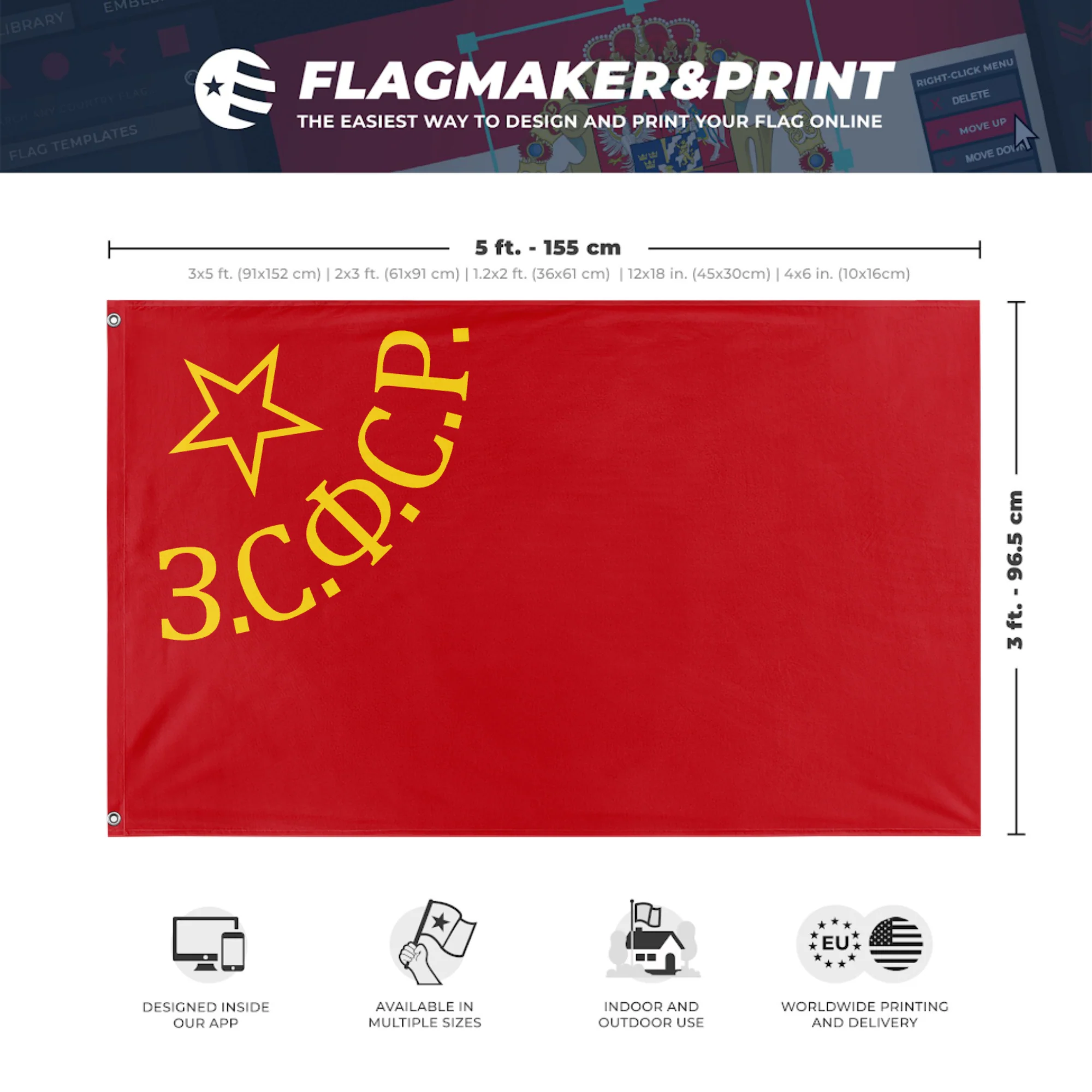
The flag of the Transcaucasian Socialist Federative Soviet Republic (TSFSR) is a significant emblem of early Soviet history, specifically representing the union of Georgia, Armenia, and Azerbaijan between 1922 and 1936. The design features a traditional red field, symbolizing the proletarian revolution. In the canton (the upper hoist-side corner), it displays a gold five-pointed star containing a hammer and sickle, which is encircled by the Cyrillic initials "З.С.Ф.С.Р." arranged in a semi-circle. These letters stand for Zakavkazskaya Sovetskaya Federativnaya Socialisticheskaya Respublika.
Historically, this flag served as the primary identifier for the Caucasia region during its consolidation into the Soviet Union. As a founding republic of the USSR, the TSFSR used variations of this design until the federation was dissolved in 1936, at which point the three member nations became separate Soviet Republics. This historical artifact remains a key study point for vexillologists interested in European and Asian political transitions of the early 20th century.
Original: $19.00
-70%$19.00
$5.70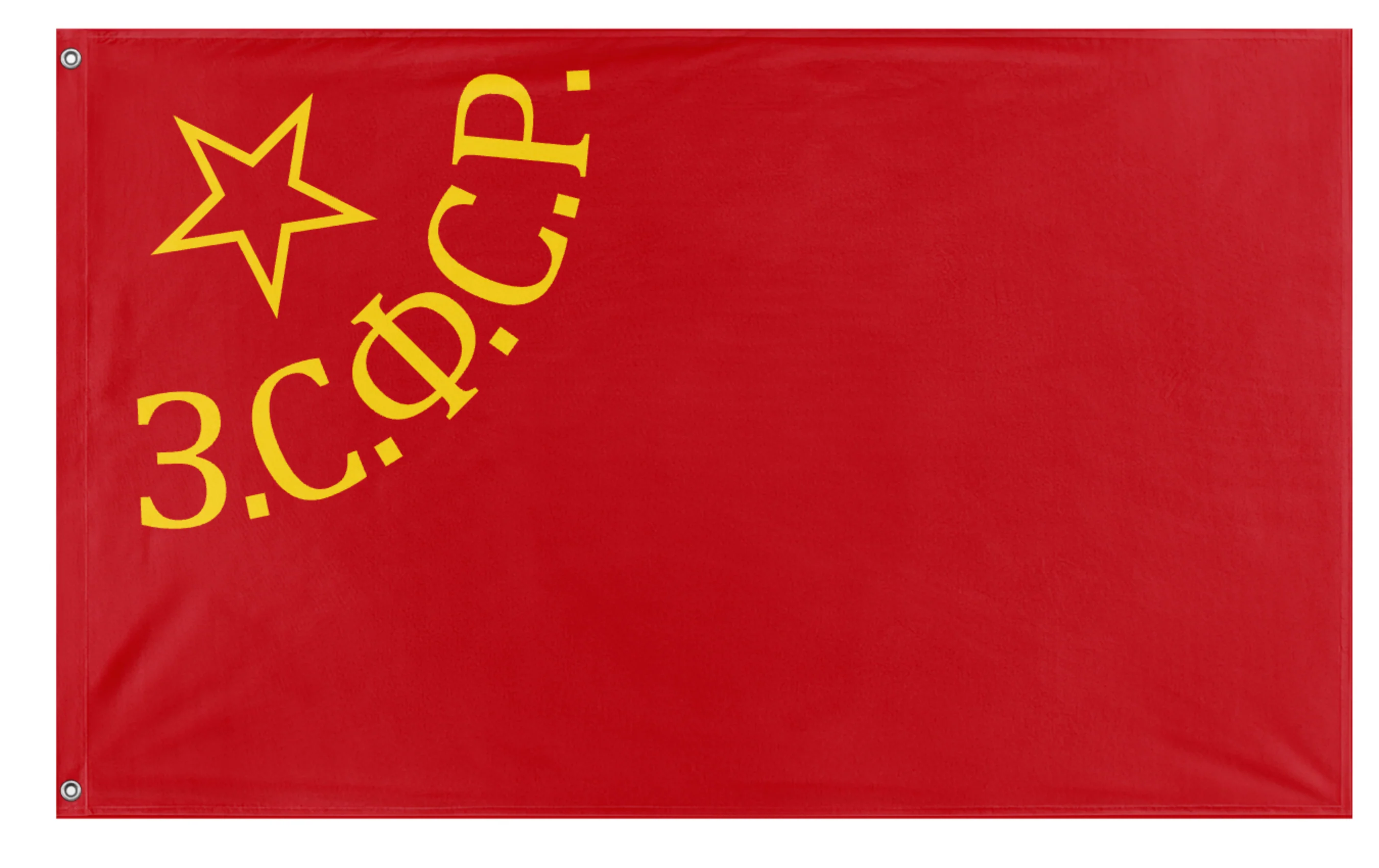


Description
The flag of the Transcaucasian Socialist Federative Soviet Republic (TSFSR) is a significant emblem of early Soviet history, specifically representing the union of Georgia, Armenia, and Azerbaijan between 1922 and 1936. The design features a traditional red field, symbolizing the proletarian revolution. In the canton (the upper hoist-side corner), it displays a gold five-pointed star containing a hammer and sickle, which is encircled by the Cyrillic initials "З.С.Ф.С.Р." arranged in a semi-circle. These letters stand for Zakavkazskaya Sovetskaya Federativnaya Socialisticheskaya Respublika.
Historically, this flag served as the primary identifier for the Caucasia region during its consolidation into the Soviet Union. As a founding republic of the USSR, the TSFSR used variations of this design until the federation was dissolved in 1936, at which point the three member nations became separate Soviet Republics. This historical artifact remains a key study point for vexillologists interested in European and Asian political transitions of the early 20th century.